Professional Power Source Comparison
Explore the Key Features and Services Offered by Backup Generators Today.
Emergency generators have evolved considerably, incorporating advanced features that improve their performance and user experience. Major advancements feature Automatic Power Switches for uninterrupted power shifts and off-site oversight functions for up-to-the-minute status checks. In addition, noise reduction technologies and energy saving methods show a rising priority on operator convenience and sustainable practices. As these systems keep improving, the impact on emergency preparedness and home security are growing in significance. What other features might change their function?
ATS: Smooth Power Changeover
An ATS (ATS) is a vital part in emergency power installations, providing an uninterrupted change of power when power fails. When the main power source cuts out, the switch recognizes the outage and promptly separates the building from the grid. This action stops reverse power flow, which can create dangers for utility workers and equipment. At the same time, the switch instructs the generator to turn on, ensuring continuous energy availability
Once the unit is running, the switch moves the electrical burden to the generator, preserving necessary utilities and minimizing disruption. Portland Standby Generators. In numerous setups, the switch perpetually observes electrical conditions and can seamlessly switch back to the main source once it is restored. By enabling this smooth and quick changeover, the ATS enhances system reliability and ensures that properties and residences remain powered during emergencies. The inclusion of an ATS represents a crucial advancement in ensuring reliable power access
Remote Monitoring and Control
While emergency systems offer vital electricity during outages, off-site management capabilities improve their utility by allowing users to oversee generator performance from afar. This technology utilizes smart devices and applications, permitting owners and operators to monitor unit condition, operational data, and service requirements in immediately.
Users receive alerts regarding power issues, fuel levels, and system malfunctions, facilitating quick response and cutting unnecessary idling. The user-friendly dashboards enable effortless modifications and settings modifications, fostering greater user engagement and control.
Moreover, remote monitoring can facilitate proactive maintenance scheduling, minimizing unexpected failures and extending the generator's lifespan. As a result, users can enjoy peace of mind, knowing their standby generator is functioning efficiently, ready to provide reliable power when needed. This added layer of convenience and oversight makes remote monitoring a valuable feature in modern standby generators.
Noise Reduction Technology
Noise reduction technology plays an essential role in enhancing the user experience of standby generators. As these systems operate during power outages, minimizing noise levels becomes vital, especially in residential settings. Manufacturers have developed various methods to achieve quieter operation, including sound-dampening enclosures and advanced muffler designs.
Many modern standby generators feature insulated cabinets that not only reduce noise but also protect the internal components from weather elements. Additionally, some models incorporate vibration isolation systems that further minimize sound during operation. The implementation of these technologies allows users to maintain their comfort and peace while ensuring reliable power during outages.
Fuel Efficiency and Environmental Considerations
In examining fuel efficiency and environmental considerations, standby generators present various technologies aimed at reducing emissions. A comparison of fuel consumption across different models highlights the importance of selecting units that optimize energy use. Additionally, the exploration of renewable energy options further enhances the eco-friendliness of standby power solutions.
Emission Reduction Technologies
As concerns about climate change and air quality grow, the importance of emission reduction technologies in standby generators becomes increasingly evident. These technologies are designed to minimize harmful emissions, making generators more environmentally friendly. Innovations such as advanced catalytic converters and particulate filters markedly reduce pollutants, including nitrogen oxides and particulate matter. Additionally, manufacturers are integrating cleaner-burning fuels and optimizing combustion processes to enhance overall efficiency and lower emissions. The implementation of smart monitoring systems also allows users to track emissions in real-time, ensuring refer now compliance with environmental regulations. Therefore, using these emission-reducing technologies does more than just help the environment but also aligns with growing consumer demands for sustainable energy solutions. To conclude, they signify an essential progression towards greener standby power options.
Analysis of Fuel Efficiency
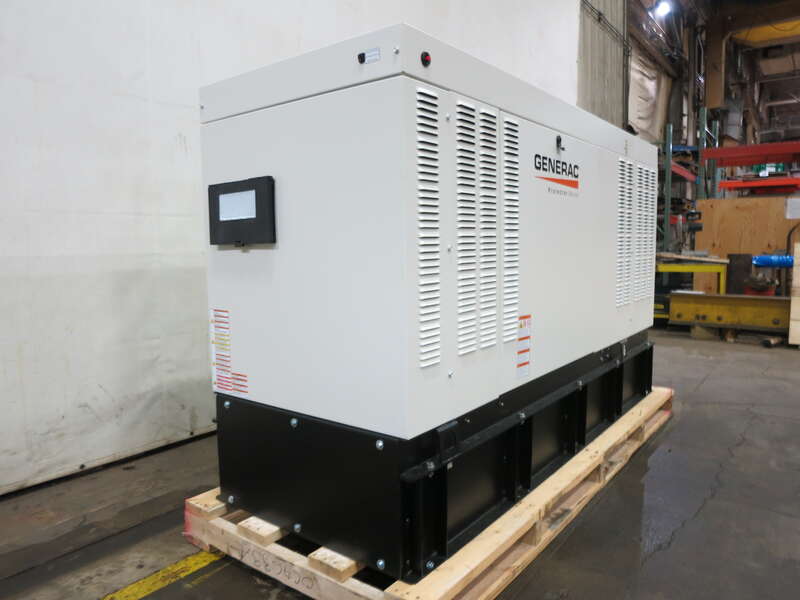
In the process of reviewing standby generators, a critical factor to weigh is their fuel consumption, a factor that influences both running expenses and the generator's ecological footprint. Various models show diverse levels of fuel economy, depending on the engine's structure and technological features. Gasoline, propane, and diesel generators all possess distinct fuel usage metrics, with diesel often providing higher energy density and the ability to run for longer periods. Yet, options using propane and natural gas are gaining preference due to their cleaner combustion and fewer harmful exhaust fumes. Knowing the fuel efficiency data, like BTU output or gallons consumed per hour, is essential for consumers seeking to balance performance with cost-effectiveness. Additionally, the environmental implications of fuel choice underscore the necessity of choosing a generator that meets eco-friendly targets.
Green Energy Choices
Renewable energy options for standby generators offer an attractive substitute in place of standard energy sources, especially concerning how efficiently they use fuel and their effect on the environment. Wind and solar energy are finding greater use in standby setups, letting owners capture power from nature to create power. These choices substantially lower the need for conventional fuels, resulting in reduced greenhouse gas output and a smaller ecological mark. Additionally, advancements in energy storage technologies enable better utilization of renewable resources, providing uninterrupted power flow when the grid fails. The initial investment may be higher, but long-term savings on fuel costs and maintenance, along with environmental benefits, position sustainable energy options as a desirable selection. Ultimately, the transition to sustainable energy sources within standby power systems shows a rising focus on environmentally sound methods.
Generator Care Programs
Regular maintenance and service plans are vital for securing the durability and trustworthiness of standby power systems. These contracts generally cover regular examinations, servicing, and performance testing conducted by qualified technicians. In the course of these appointments, vital parts such as batteries, fuel systems, and electrical connections receive a comprehensive inspection to head off future breakdowns when the power goes out.
Maintenance contracts commonly incorporate routine oil servicing, new filters, and coolant inspection, which enhance the generator's output and efficiency. Furthermore, most suppliers feature urgent assistance options, guaranteeing quick help if failures happen when routine maintenance is not scheduled.
Purchasing a thorough maintenance plan does more than just prolong the lifespan of the generator but also provides peace of mind, assured that the generator can cope for unforeseen blackouts. Users may choose from a range of service plans designed for individual needs, fostering peak operation and dependability throughout the generator's working span.
Safety Features and Compliance Standards
Safety measures and regulatory requirements constitute vital components in the design and operation of standby generators, guaranteeing both user protection and compliance with sector rules. Contemporary standby units incorporate multiple safety mechanisms, such as automatic shut-off systems that activate during malfunctions, averting risks like shocks or combustion. Additionally, a lot of generators feature carbon monoxide detectors, which assist in reducing the danger stemming from noxious gas output.
Meeting regional and federal laws, such as the NEC (National Electrical Code) and Underwriters Laboratories (UL) standards, is essential for manufacturer certification. These regulations verify that standby generators are tested for performance, reliability, and safety. Moreover, manufacturers often provide user manuals detailing security protocols and installation guidelines. By prioritizing these features and adherence criteria, standby generators do more than just boost customer trust but also encourage secure functioning during power outages, thereby protecting both lives and property.
FAQs
What Is the Average Cost of a Standby Generator?
On average, a standby generator costs between $5,000 and $15,000, with installation included. Factors influencing prices include generator size, make, and additional features, with varying options available to suit different household needs and budgets.
How Long Does a Standby Generator Last?
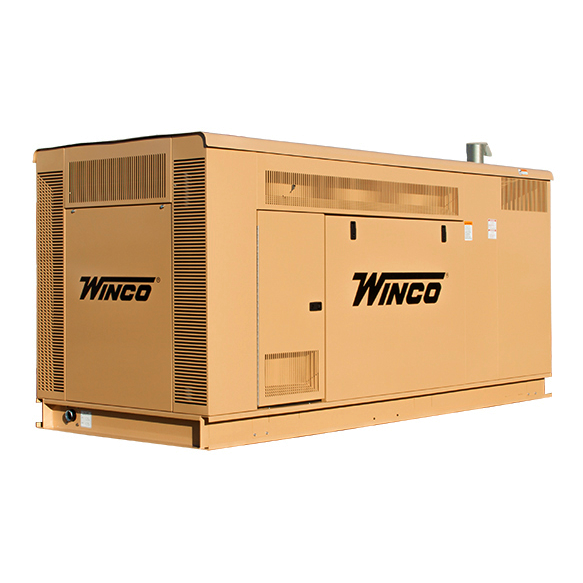
A standby generator's operational life usually falls between 15 to 30 years, based on how often it's used, maintenance, and surrounding conditions. Consistent upkeep helps to boost life expectancy and trustworthiness throughout its service duration.
Is Self-Installation of a Standby Generator Possible?
Installing a standby generator oneself is possible for experienced individuals, but this practice is typically advised against due to safety concerns and local regulations. Hiring a professional ensures meeting all standards and maximum efficiency for the generator.
Which Brands Offer the Best Reliability for Backup Generators?
Top reliable standby generator brands are Generac, Kohler, and Briggs & Stratton. Portland Standby Generators. They are well-known for their sturdiness, output, and wide-ranging customer assistance, positioning them as preferred selections among homeowners seeking dependable backup power solutions
How Should I Determine the Correct Generator Size for My Home?
To choose the right size generator, it's essential to compute the total power draw of critical devices, factor in the difference between starting and running wattage, and account for future needs, to guarantee the generator manages peak power needs without fail.